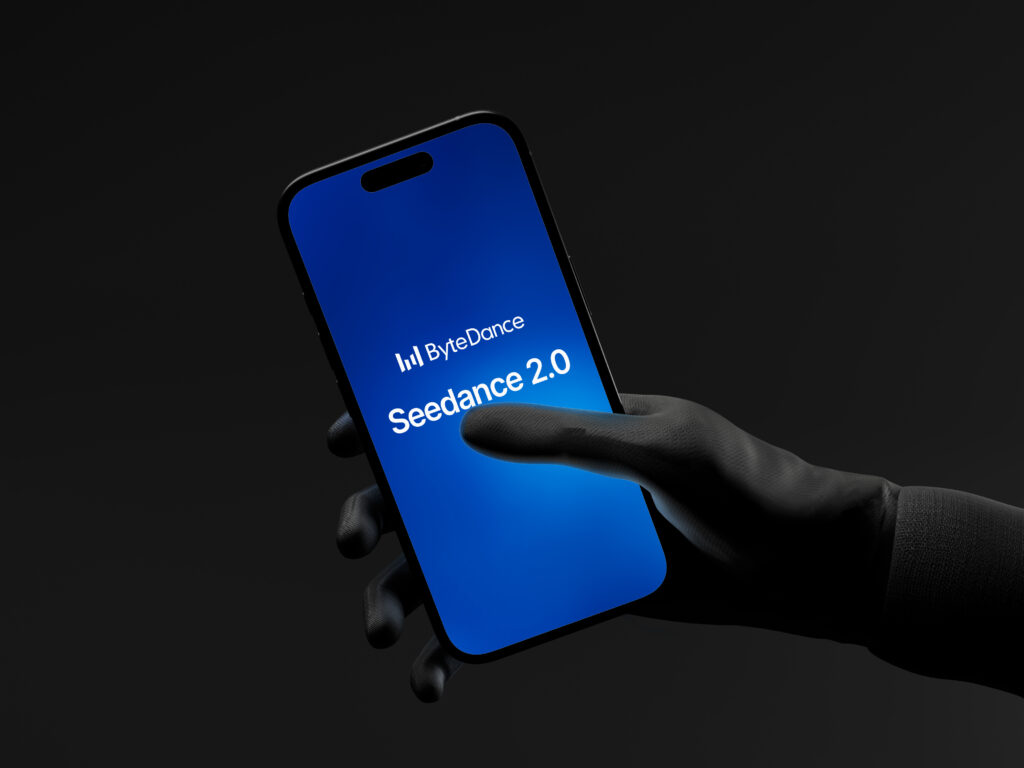
Hollywood studios and industry groups are raising serious objections to Seedance 2.0, a new AI-powered video generator from ByteDance, the company that owns TikTok. They argue that the tool — which can create short, cinematic-quality videos from simple text prompts — quickly became a source of unauthorized use of copyrighted material and likenesses of real actors.
What Seedance 2.0 Is?
-
Seedance 2.0 is an improved AI video model launched by ByteDance this week. It lets users generate videos (currently up to about 15 seconds long) simply by typing prompts — similar to how text-to-image tools work, but for motion and sound.
-
The model is currently available in China and is slated to roll out to broader global apps such as CapCut soon.
Why Hollywood Is Angry?
-
One of the early videos shared online showed highly realistic, AI-generated footage of Tom Cruise and Brad Pitt in a dramatic fight scene — apparently created with just a brief prompt.
-
The Motion Picture Association (MPA) said Seedance 2.0 has engaged in “unauthorized use of U.S. copyrighted works on a massive scale” and demanded that ByteDance stop these activities. The group called the lack of safeguards against infringement “disregarding well-established copyright law.”
-
The actors’ union SAG-AFTRA and the Human Artistry Campaign (a coalition of unions and Hollywood groups) criticized the technology for using performers’ likenesses and voices without permission, saying this undermines artists’ livelihoods and consent.
Industry Reactions
Screenwriter Rhett Reese (known for Deadpool) said on social media that the tech could fundamentally change filmmaking, suggesting that soon a single individual might be able to produce content that rivals studio productions.
Legal Pressure and Copyright Concerns
-
Major studios like Disney and Paramount are reportedly sending legal notices to ByteDance, claiming that Seedance’s output includes characters and story elements that are indistinguishable from copyrighted work.
-
Disney previously took similar action over other AI tools, underscoring how intellectual property rights are a major point of contention as these technologies evolve.
ByteDance’s Response
ByteDance has acknowledged the concerns and said it respects intellectual property rights, indicating that it plans to “strengthen safeguards” in Seedance 2.0 to prevent unauthorized use of content — though it hasn’t provided specifics.